Exploring Omni, Mode & Visivo

Omni vs. Mode vs. Visivo

Compare key features, capabilities, and differentiators between Omni, Mode, Visivo. This comprehensive analysis will help you make an informed decision for your data visualization needs.

Quick Comparison

Key features and capabilities at a glance

FeatureOmniModeVisivo
Deployment ModelCloud (SaaS on AWS), Private cloud, Enterprise VPCCloud (SaaS), Enterprise deployment, Private cloudOpen-source, Cloud Service, Self-hosted
PricingCommercial (Proprietary SaaS); demo & trial available (pricing not public)Subscription per user (tiered features). Proprietary.Open source (GPL-3.0)
Cost$$$$$$$$$
Git Integration
CI/CD & Testing
Real-time
AI Features
Visual to Code
DAG-Based

Target Users & Use-Cases

Each BI tool is designed with specific user personas in mind.

Omni

SQL usersSpreadsheet usersBusiness executivesData teams

Mode

Data analystsData scientistsBusiness teams consuming insights

Visivo

Analytics EngineersData teamsBusiness usersEngineers

Ease of Development & Deployment

Development experience directly impacts team productivity and time-to-value.

Omni

5/5

Mode

3/5

Visivo

5/5

Key Integrations & Ecosystem

A robust ecosystem of integrations is essential for modern BI tools.

Omni

dbt (bi-directional sync)Cloud data warehouses (Snowflake, BigQuery, Redshift)Spreadsheet data sources

Mode

Multiple SQL databasesPython/R for advanced analyticsAPI and webhooks for automation

Visivo

dbt coreAll major databasesCustom connector frameworkSlack for alertsGithub

Visualization Capabilities

The ability to create compelling visualizations is key to data storytelling.

Omni

Combines spreadsheet-like calculations, SQL, and drag/drop. Users can create charts with one-click from data tables. Good selection of standard visuals, with focus on ease (smart defaults). Custom styling is somewhat guided (aims for simplicity over exhaustive options).

Mode

Hybrid analytics: Start with SQL query, then seamlessly use results in a Python or R notebook within Mode. Visualizations: either use the built-in chart builder on query results (which is simple but covers basics), or output custom plots from the notebook (Matplotlib, etc.). You can combine these in a report. Good for analytical narratives.

Visivo

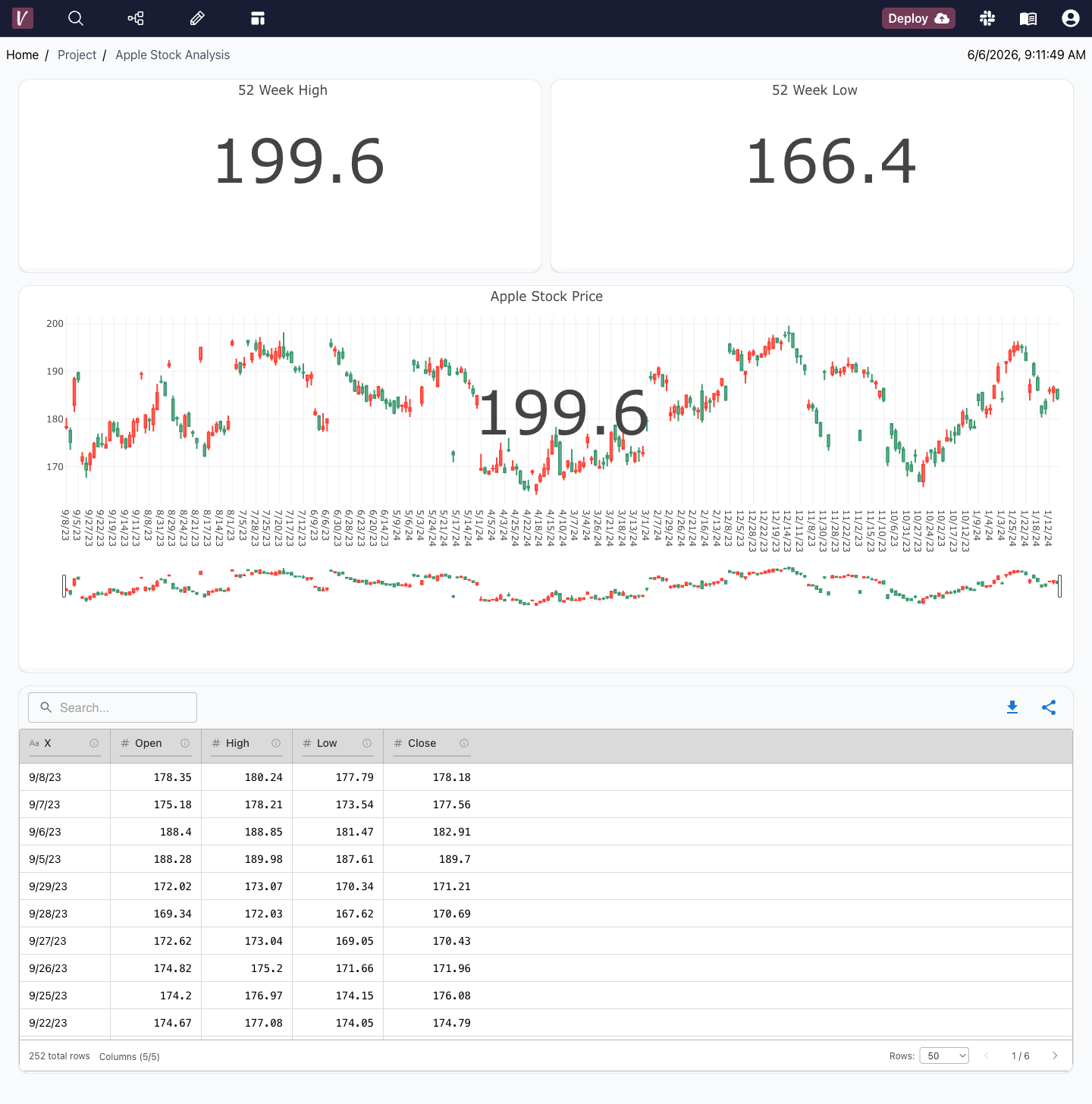
Highly custom UI with easy defaults

Detailed Differentiators

Each platform's unique strengths and limitations.

Omni

Spreadsheet meets SQL: users can use Excel formulas or SQL interchangeably. AI "calculation assistant" suggests formulas from natural language. Governed semantic model ensures consistent metrics.
Newer product – not as feature-rich in visualization customization as legacy tools; purely cloud (may not suit those needing on-prem).

Mode

Combines analytics workflows: SQL + Python/R in one tool, enabling advanced analysis (statistical, ML) with sharing in one place. Great collaboration – team commentary and shareable, embeddable reports.
Not aimed at strict self-service for non-analysts (business users usually consume results, not build). Lacks a governed semantic layer – relies on analysts to maintain consistency.

Visivo

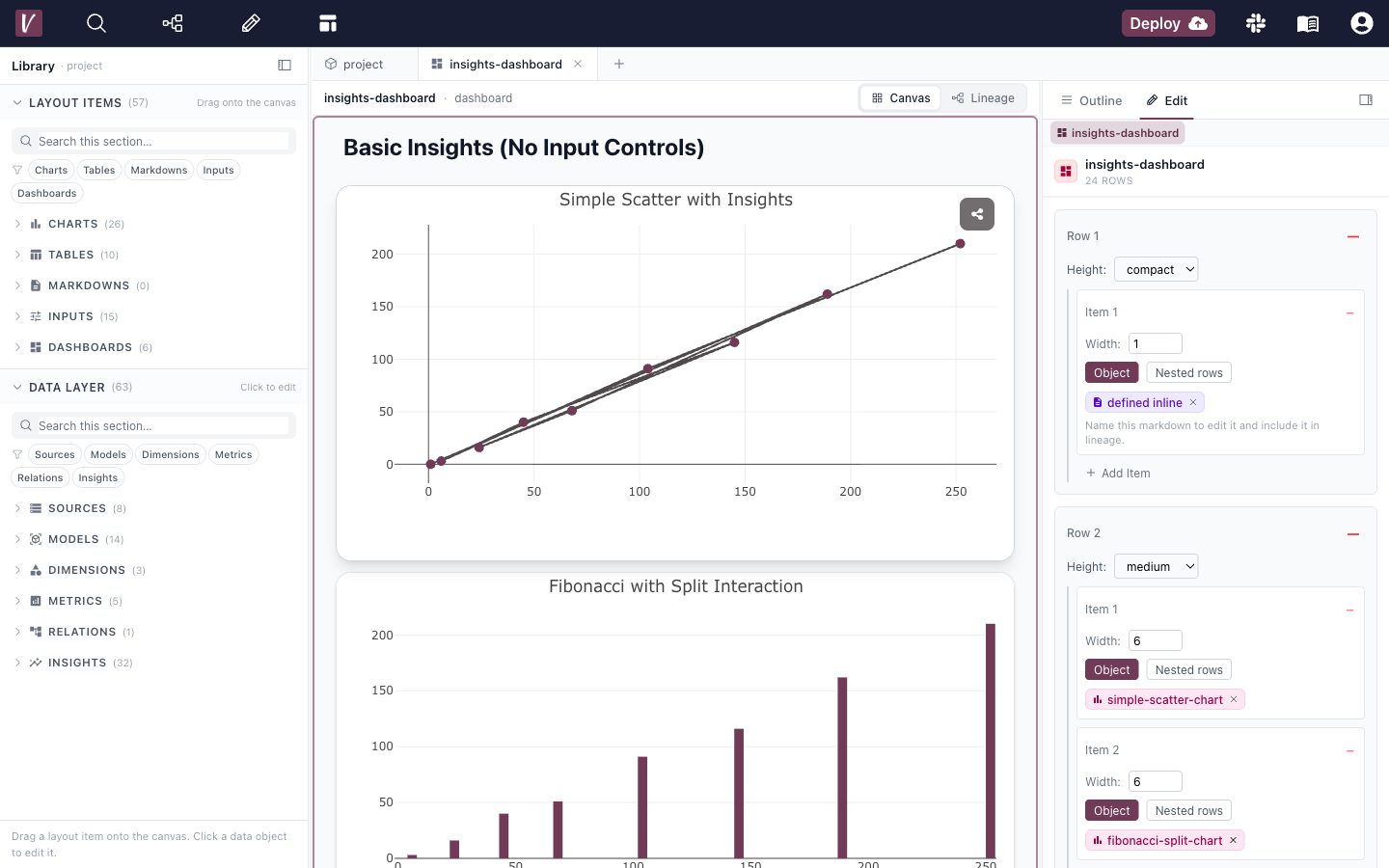
BI-as-code approach enables version control, collaboration, and CI/CD workflows. DAG-based architecture provides powerful data transformation capabilities and dependency management. Seamless visual-to-code workflow allows both technical and non-technical users to build dashboards effectively.
Requires understanding of data concepts; not a pure drag-and-drop tool like Tableau. Initial setup requires technical knowledge for optimal configuration.

Security & Architecture

Critical considerations for enterprise deployments.

Omni

DB Access: Yes, Omni directly queries your databases (encrypted connections). Virtualization: Queries data in place (no data copy) – essentially virtualization with a semantic layer. Push: No, it's live query (though cached metrics can be materialized on demand). Other: Strong security focus – column & row-level controls, SAML SSO, data encrypted at rest. SOC 2 compliant.

Mode

DB Access: Yes, Mode executes queries against your DB whenever a report refreshes. Virtualization: No separate layer – it's basically a client querying the DB. Push: No, except you can schedule exports of results to external systems. Other: Row-level security must be implemented in SQL (no built-in feature for it). Supports SSO and fine-grained access to reports (who can view/edit).

Visivo

No db access required. Very strong security features due to the DAG-based access controls and the push based deployment model.

Why Visivo Stands Out

While each platform has its strengths, Visivo offers unique advantages for modern data teams.

DAG-Based Architecture for complex data transformations
Visual to Human-readable Code conversion
Multiple development approaches for all skill levels
AI-Powered dashboard creation
Full Git integration and version control
Open-source with enterprise features

Ready to Experience Modern BI?

Try Visivo today and see how it transforms your data analytics workflow.

$ curl -fsSL https://visivo.sh | bash
undefined
Jared Jesionek (co-founder)
agent avatar
How can I help? This connects to our slack so I'll respond real quickly 😄
Powered by Chatlio