Exploring Grafana, Sigma Computing & Visivo

Grafana vs. Sigma Computing vs. Visivo

Compare key features, capabilities, and differentiators between Grafana, Sigma Computing, Visivo. This comprehensive analysis will help you make an informed decision for your data visualization needs.

Quick Comparison

Key features and capabilities at a glance

FeatureGrafanaSigma ComputingVisivo
Deployment ModelOpen-source (AGPLv3), Grafana Enterprise, Grafana Cloud, Self-hostedCloud (SaaS) - AWS, Cloud (SaaS) - GCP, Multi-tenant deploymentOpen-source, Cloud Service, Self-hosted
PricingOSS free; Grafana Enterprise (paid add-ons); Grafana Cloud (free tier & paid).Commercial SaaS; no free tier (trial available). Proprietary.Open source (GPL-3.0)
Cost$$$$$$$
Git Integration
CI/CD & Testing
Real-time
AI Features
Visual to Code
DAG-Based

Target Users & Use-Cases

Each BI tool is designed with specific user personas in mind.

Grafana

DevOps engineersIT monitoring teamsData engineers for time-series analytics

Sigma Computing

Business users (spreadsheet aficionados)BI & data teamsFinancial analysts

Visivo

Analytics EngineersData teamsBusiness usersEngineers

Ease of Development & Deployment

Development experience directly impacts team productivity and time-to-value.

Grafana

3/5

Sigma Computing

4/5

Visivo

5/5

Key Integrations & Ecosystem

A robust ecosystem of integrations is essential for modern BI tools.

Grafana

Time-series databases (Prometheus, InfluxDB)SQL databases and cloud metricsAlerting systems (PagerDuty, Slack)

Sigma Computing

Cloud data warehousesdbt metadata syncEmbedding API for apps

Visivo

dbt coreAll major databasesCustom connector frameworkSlack for alertsGithub

Visualization Capabilities

The ability to create compelling visualizations is key to data storytelling.

Grafana

Optimized for time-series and metrics visualizations (graphs, gauges, alerts). Supports logs and traces panels too. Basic charts for category data exist but not Grafana's strong suit. Highly customizable dashboards via JSON config or UI. Many community panels (plugins) to extend visualization types.

Sigma Computing

Spreadsheet-like UI on cloud data: users drag columns, create formulas in cells (Excel-style). Visualizations are built atop these 'workbooks.' Good variety of charts, but geared towards data in tables first. Custom visuals possible via SQL or minimal coding (no full script extensions as in PowerBI).

Visivo

Highly custom UI with easy defaults

Detailed Differentiators

Each platform's unique strengths and limitations.

Grafana

Best for operational dashboards – combining metrics, logs, and traces in one UI (especially with Grafana Cloud). Very extensible via plugins.
Not designed for ad-hoc business analytics on arbitrary data – e.g., no built-in SQL query builder for relational data (user must write queries or use other tools to prepare data). Visualizations not as geared for presentation (more for investigation).

Sigma Computing

Familiar Excel-like interface on big data – low learning curve for spreadsheet users. No data extraction – queries run in your warehouse, so leverages its power. Unique ability to "write-back" or materialize prepared datasets into the DB.
Performance can suffer on very large datasets or complex filters (depends on warehouse; UI might hang on millions of rows). Less suitable for pixel-perfect presentations (focuses on ad-hoc exploration).

Visivo

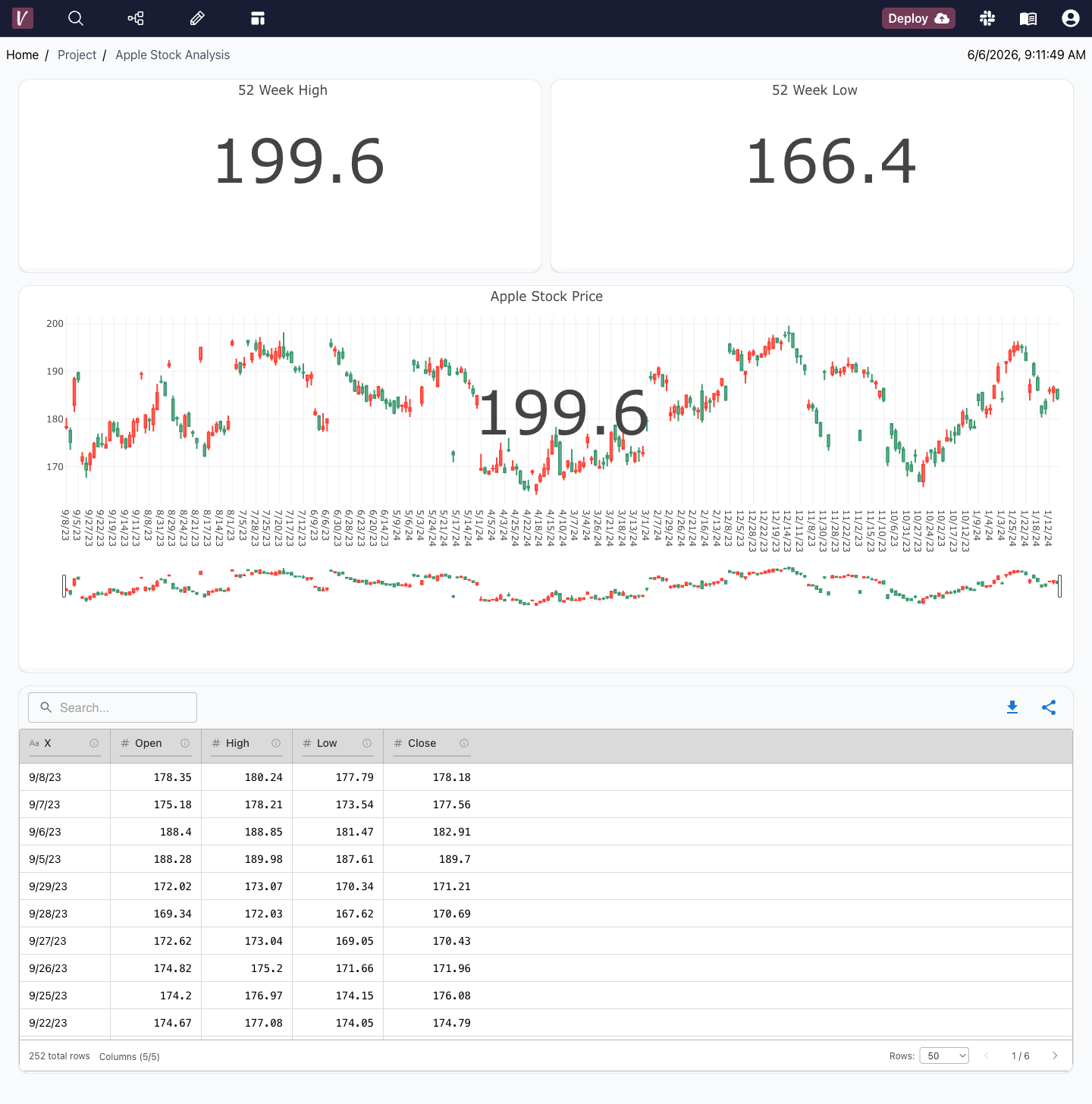
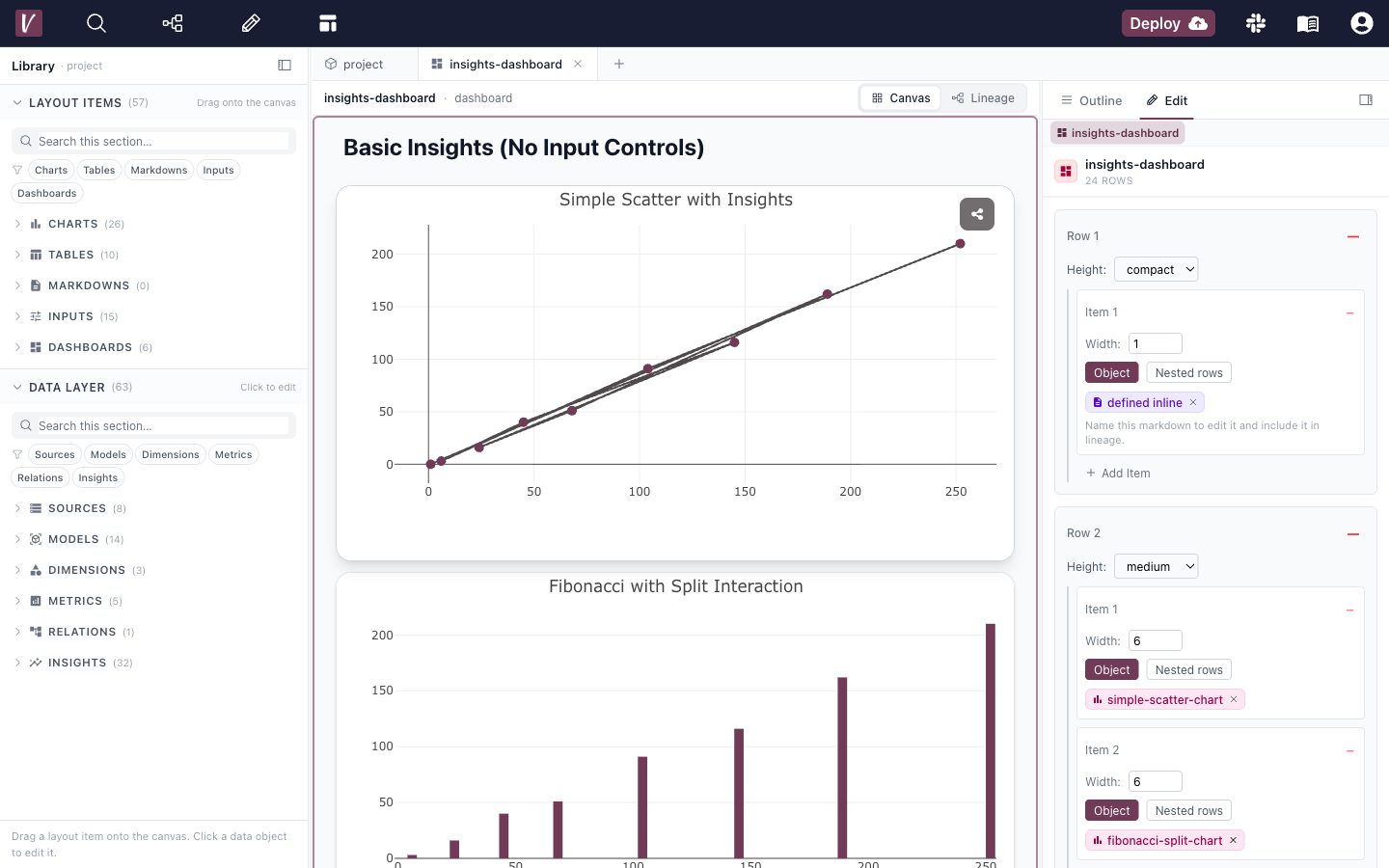
BI-as-code approach enables version control, collaboration, and CI/CD workflows. DAG-based architecture provides powerful data transformation capabilities and dependency management. Seamless visual-to-code workflow allows both technical and non-technical users to build dashboards effectively.
Requires understanding of data concepts; not a pure drag-and-drop tool like Tableau. Initial setup requires technical knowledge for optimal configuration.

Security & Architecture

Critical considerations for enterprise deployments.

Grafana

DB Access: Yes, connects directly to data sources (or through its agents). Virtualization: More like federation – it queries multiple backends via plugins. Push: Metric data is often pushed into time-series DBs which Grafana then reads – so indirectly yes (in monitoring use-cases). Grafana itself pulls from those DBs. Other: Auth via LDAP/OAuth. Granular permissions on dashboards and data sources. Encryption and other enterprise security features in paid version.

Sigma Computing

DB Access: Yes – requires direct access to cloud DB (Sigma sends SQL to your warehouse). Virtualization: Yes – leaves data in DB, no local storage (except temp cache), effectively a virtualization approach. Push: Not typical; however, users can push (materialize) a result back to DB if needed. Other: Data never leaves your cloud environment (Sigma runs within cloud region). Supports row-level security via warehouse and within Sigma. SSO support available.

Visivo

No db access required. Very strong security features due to the DAG-based access controls and the push based deployment model.

Why Visivo Stands Out

While each platform has its strengths, Visivo offers unique advantages for modern data teams.

DAG-Based Architecture for complex data transformations
Visual to Human-readable Code conversion
Multiple development approaches for all skill levels
AI-Powered dashboard creation
Full Git integration and version control
Open-source with enterprise features

Ready to Experience Modern BI?

Try Visivo today and see how it transforms your data analytics workflow.

$ curl -fsSL https://visivo.sh | bash
undefined
Jared Jesionek (co-founder)
agent avatar
How can I help? This connects to our slack so I'll respond real quickly 😄
Powered by Chatlio