
CTO & Co-founder of Visivo
BI Version Control Best Practices for Reliable Dashboards
Master version control best practices for BI to ensure reliable dashboards through proper Git workflows, code reviews, and change tracking.
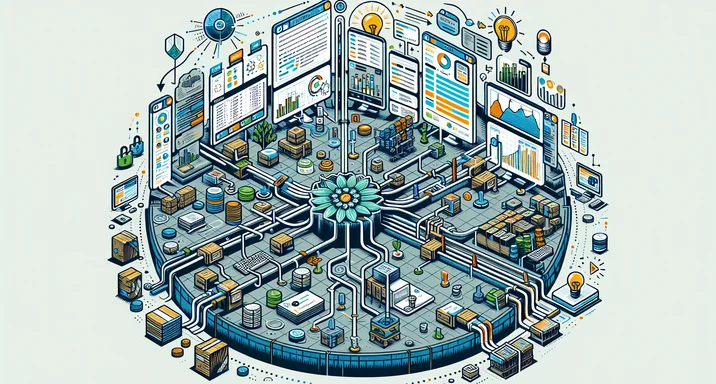
Version control transforms business intelligence from a fragile, undocumented mess into a robust, traceable system. The GitLab DevSecOps report shows that version control adoption increases team productivity by 40%. But simply putting files in Git isn't enough—success requires following best practices that ensure every change is tracked, reviewed, and reversible. These practices separate professional analytics teams from those constantly fighting fires.
The Need for Version Control in BI
Without version control, BI teams operate in the dark. Who changed that calculation? When did this dashboard break? How do we restore the working version? According to Gartner analyst Nick Heudecker, 85% of big data projects fail, often due to these exact issues. These questions become unanswerable mysteries, leading to finger-pointing, lost productivity, and damaged trust in analytics.
Version control provides the foundation for reliable BI:
- Every change is tracked with who, what, when, and why
- Previous versions can be restored instantly
- Multiple team members can work without conflicts
- Changes undergo review before affecting users
The difference is stark. Teams without version control spend significant time investigating issues and recovering from mistakes. Teams with proper version control spend that time building new capabilities. The DORA State of DevOps Report found that elite performers deploy 208x more frequently than low performers with better reliability.
Key Best Practices
Maintain All Code in Git Repository: Every BI artifact belongs in version control. Learn more about Git workflows at git-scm.com:
# Complete BI repository structure
analytics/
├── dashboards/
│   ├── executive/
│   │   ├── revenue-overview.yml
│   │   └── kpi-summary.yml
│   ├── operational/
│   │   ├── daily-metrics.yml
│   │   └── alerts-dashboard.yml
│   └── README.md
├── queries/
│   ├── shared/
│   │   ├── customer-segments.sql
│   │   └── revenue-calculations.sql
│   └── optimized/
│       └── materialized-views.sql
├── metrics/
│   ├── definitions.yml
│   └── calculations.yml
├── tests/
│   ├── data-quality/
│   └── dashboard-validation/
├── docs/
│   ├── onboarding.md
│   └── metrics-glossary.md
└── .gitignore
Never store these in Git:
# .gitignore for BI projects
# Credentials and secrets
*.env
config/secrets.yml
credentials/

# Generated files
*.cache
build/
dist/

# Large data files
*.csv
*.parquet
data/

# Personal IDE settings
.vscode/
.idea/
Clear Naming Conventions: Use consistent, descriptive branch names:
# Good branch names
feature/add-customer-retention-dashboard
fix/revenue-calculation-error
refactor/consolidate-date-filters
test/performance-improvements
docs/update-metric-definitions

# Bad branch names
johns-branch
dashboard-update
fix
new-stuff
test123
Implement branch protection rules:
name: visivo_project

# branch-protection.yml
protection_rules:
  main:
    required_reviews: 2
    dismiss_stale_reviews: true
    require_up_to_date: true
    required_status_checks:
      - ci/build
      - ci/test
      - ci/security-scan

  develop:
    required_reviews: 1
    required_status_checks:
      - ci/build
      - ci/test
Descriptive Commit Messages: Write commits that tell a story:
# Good commit messages
git commit -m "Add year-over-year comparison to revenue dashboard

- Calculate YoY growth percentage
- Add visual indicators for positive/negative growth
- Include tooltip with detailed breakdown
- Update tests for new calculation

Fixes #234"

# Bad commit messages
git commit -m "Update dashboard"
git commit -m "Fix"
git commit -m "WIP"
git commit -m "asdfasdf"
Enforce commit message standards:
# .gitmessage template
# <type>: <subject>
#
# <body>
#
# <footer>

# Type should be one of:
# - feat: New feature
# - fix: Bug fix
# - docs: Documentation change
# - style: Formatting change
# - refactor: Code restructuring
# - test: Test addition/modification
# - chore: Maintenance task
Establishing Code Review Process
Code review catches errors, shares knowledge, and maintains standards:
Pull Request Requirements:
name: example_project
Review Workflow:
# automated-review-checks.py
def pre_review_checks(pr):
    """Automated checks before human review"""

    checks = []

    # Check file naming
    for file in pr.changed_files:
        if not follows_naming_convention(file):
            checks.append(f"File {file} doesn't follow naming convention")

    # Check for credentials
    for file in pr.changed_files:
        if contains_credentials(file):
            checks.append(f"CRITICAL: {file} contains credentials")

    # Check SQL quality
    sql_files = [f for f in pr.changed_files if f.endswith('.sql')]
    for sql_file in sql_files:
        errors = lint_sql(sql_file)
        if errors:
            checks.append(f"SQL errors in {sql_file}: {errors}")

    return checks
Review Best Practices:
## Code Review Guidelines

### For Reviewers
1. Check business logic correctness
2. Verify performance implications
3. Ensure consistent styling
4. Look for security issues
5. Suggest improvements, don't just find problems

### For Authors
1. Self-review before requesting others
2. Keep PRs small and focused
3. Respond to all comments
4. Update based on feedback
5. Thank reviewers for their time

### Review Checklist
- [ ] Business logic is correct
- [ ] Calculations are accurate
- [ ] Error handling is appropriate
- [ ] Documentation is updated
- [ ] Tests cover new functionality
Achieving Dashboard Reliability
Version control best practices directly translate to dashboard reliability:
Change Tracking and Audit Trail: Every modification is documented:
# Investigate dashboard issues
git log --oneline dashboards/revenue.yml
# a1b2c3d Fix: Correct tax calculation
# d4e5f6g Feat: Add quarterly comparison
# g7h8i9j Refactor: Simplify date logic

# See who made specific changes
git blame dashboards/revenue.yml
# a1b2c3d (Tim 2024-09-01) tax_rate: 0.08
# d4e5f6g (Jane 2024-08-15) quarter_calc: QUARTER(date)

# Find when issue was introduced
git bisect start
git bisect bad HEAD
git bisect good v1.0.0
# Git automatically finds the problematic commit
Quick Issue Resolution: Revert problematic changes instantly:
# Dashboard showing wrong numbers after recent deploy

# 1. Identify the problematic commit
git log --oneline -5
# xyz789 (HEAD) Update customer segmentation
# abc456 Modify revenue calculation  <-- This one!
# def123 Add new KPI

# 2. Revert the change
git revert abc456

# 3. Deploy the fix
git push origin main
# CI/CD automatically deploys

# Total time to fix: < 5 minutes
Parallel Development: Teams work simultaneously without conflicts:
# Developer A: Working on sales dashboard
git checkout -b feature/sales-dashboard-update

# Developer B: Working on marketing dashboard
git checkout -b feature/marketing-metrics

# Both can work independently
# Merge without conflicts since they touch different files
Knowledge Preservation: Context never gets lost:
name: visivo_project

# Every change documents its reasoning
commit: a1b2c3d
author: Tim Overly
date: 2024-09-14
message: |
  Adjust revenue recognition timing

  Per finance team request, revenue is now recognized
  at shipment rather than order placement. This aligns
  with new accounting standards (ASC 606).

  Testing: Validated against last 6 months of data
  Impact: ~2% difference in monthly revenue timing
  Stakeholders: @finance-team @accounting
Organizations following these best practices report:
- Zero lost dashboards due to accidental deletion
- Significantly faster issue resolution
- Complete traceable change history
- Substantial reduction in regression errors
Version control best practices aren't optional for reliable BI—they're essential. Every dashboard without version control is a ticking time bomb, waiting to explode in lost work, broken calculations, or compliance failures. Invest in proper version control practices today, and your future self (and team) will thank you every time you need to track down a change, recover from an error, or prove compliance with audit requirements.