Exploring Sisense, Looker Studio & Visivo

Sisense vs. Looker Studio vs. Visivo

Compare key features, capabilities, and differentiators between Sisense, Looker Studio, Visivo. This comprehensive analysis will help you make an informed decision for your data visualization needs.

Quick Comparison

Key features and capabilities at a glance

FeatureSisenseLooker StudioVisivo
Deployment ModelWindows/Linux on-prem, Sisense Cloud (managed), Private cloudCloud (Google Cloud), Enterprise deployment, Private cloudOpen-source, Cloud Service, Self-hosted
PricingCommercial (Proprietary). Pricing by seat and consumption.Free to use (with Google account); Pro version for enterprise (Looker Studio Pro) introduced with SLAs.Open source (GPL-3.0)
Cost$$$$$$$
Git Integration
CI/CD & Testing
Real-time
AI Features
Visual to Code
DAG-Based

Target Users & Use-Cases

Each BI tool is designed with specific user personas in mind.

Sisense

Product teams (embedded analytics)Enterprise analystsOEM partners

Looker Studio

Business usersMarketersGoogle ecosystem users

Visivo

Analytics EngineersData teamsBusiness usersEngineers

Ease of Development & Deployment

Development experience directly impacts team productivity and time-to-value.

Sisense

3/5

Looker Studio

2/5

Visivo

5/5

Key Integrations & Ecosystem

A robust ecosystem of integrations is essential for modern BI tools.

Sisense

SQL and cloud data warehousesSaaS applicationsJS embedding SDK

Looker Studio

500+ data connectorsGoogle products (Analytics, Ads)SQL databases via Simba drivers

Visivo

dbt coreAll major databasesCustom connector frameworkSlack for alertsGithub

Visualization Capabilities

The ability to create compelling visualizations is key to data storytelling.

Sisense

Two flavors merged: traditional dashboard builder (drag-drop charts, with advanced widget for custom UI via scripting) and a notebook-style interface (from acquired Periscope Data) for SQL/Python. Visualizations include a wide range of widgets and the special Sisense BloX for custom coded infographic-like blocks. Highly customizable via JavaScript (for those inclined).

Looker Studio

Drag-and-drop report editor. Offers charts like time series, bar, geo maps, tables. Customization is decent (colors, labels), though not as fine-grained as Tableau. Supports community visualizations (bring custom JS charts). Layout is canvas-style – good for dashboards and infographics.

Visivo

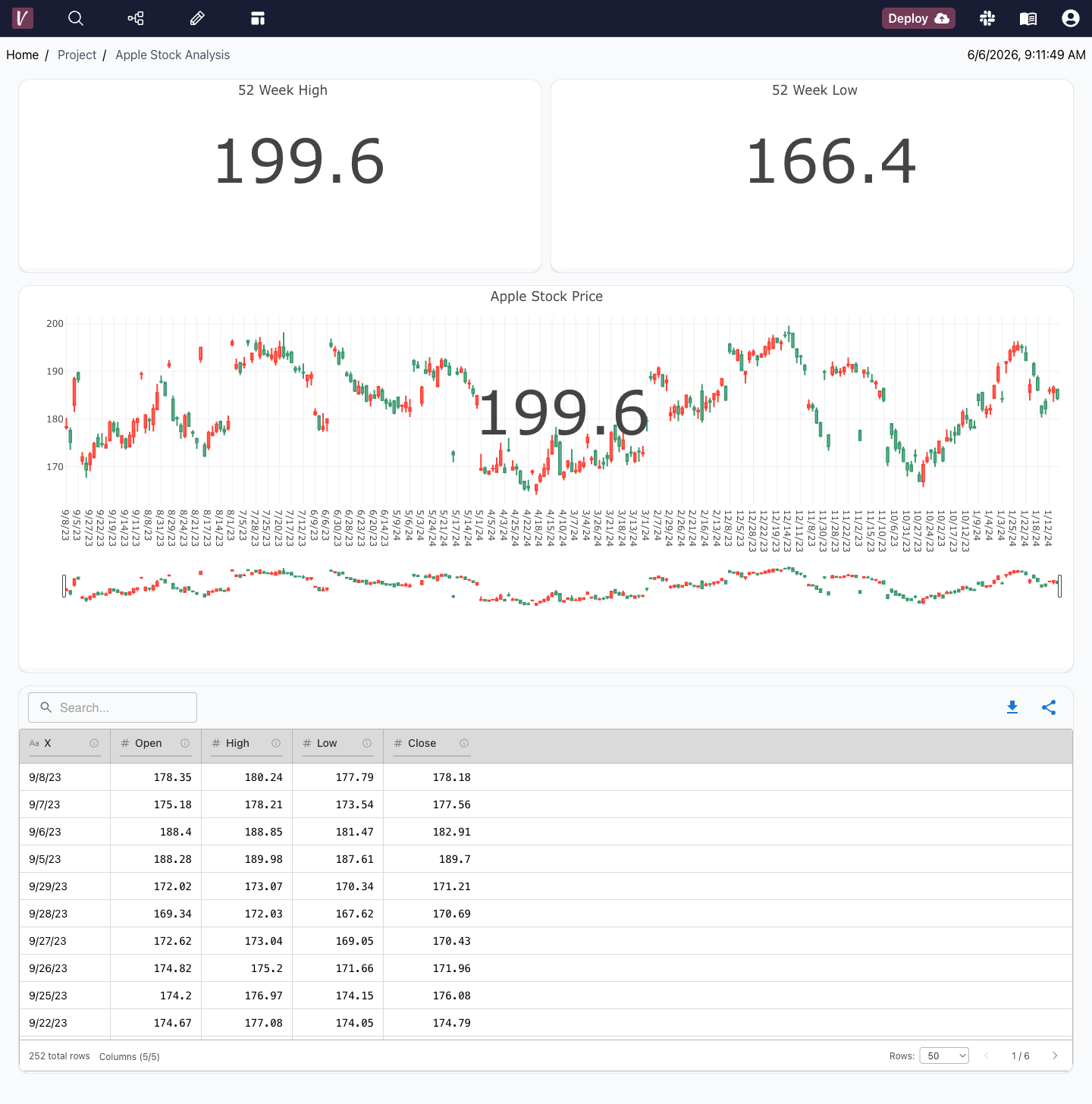
Highly custom UI with easy defaults

Detailed Differentiators

Each platform's unique strengths and limitations.

Sisense

Strong embedding and customization – you can integrate analytics into your product with full control (white-label). Now with modern DevOps support (Git, CI/CD) making it enterprise-friendly.
Can be complex to administrate; the full platform (with Elasticube manager, etc.) has a learning curve. Some legacy vs new UI inconsistencies after merging Periscope.

Looker Studio

Completely free for most use-cases. Extremely easy for simple needs – non-tech users can create a shareable dashboard in minutes. Being Google, sharing and embedding is seamless.
Lacks advanced analytics (no calculated fields beyond basic formulas, limited data shaping). Performance can suffer on large data sets unless using aggregated extracts. No row-level security (one report = one set of credentials or extracted data).

Visivo

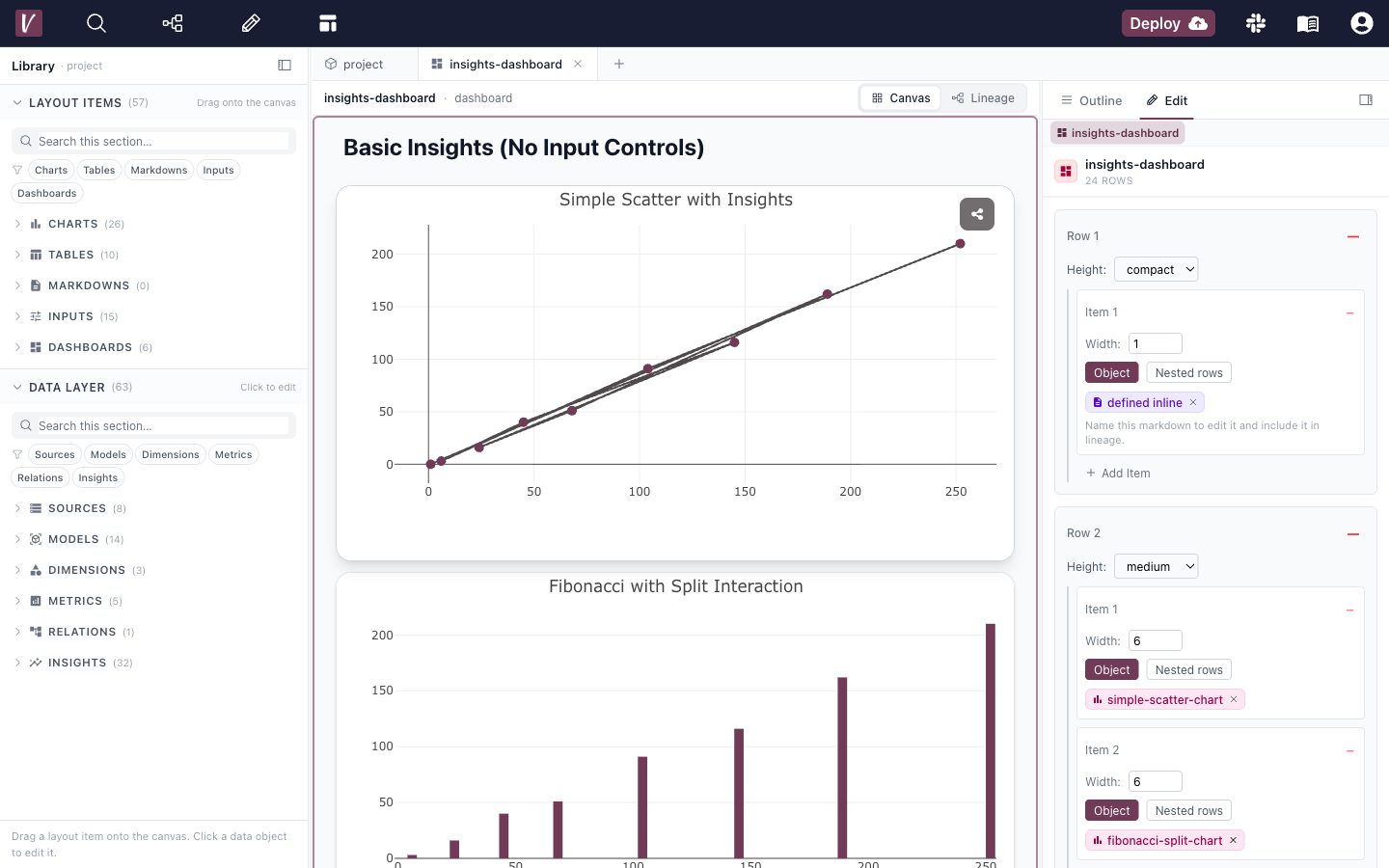
BI-as-code approach enables version control, collaboration, and CI/CD workflows. DAG-based architecture provides powerful data transformation capabilities and dependency management. Seamless visual-to-code workflow allows both technical and non-technical users to build dashboards effectively.
Requires understanding of data concepts; not a pure drag-and-drop tool like Tableau. Initial setup requires technical knowledge for optimal configuration.

Security & Architecture

Critical considerations for enterprise deployments.

Sisense

DB Access: Depending on setup – Live mode: Sisense queries your DB on the fly (needs access); Elasticube mode: data is extracted into Sisense's proprietary in-memory cube (so queries don't hit source DB at runtime). Virtualization: Allows combining multiple sources in one view via its cubes (not exactly virtualization, more like federation into a single cache). Push: In Elasticube mode, data is essentially pushed into Sisense's storage on a refresh schedule. Other: Robust security – single sign-on, row-level security in Elasticubes, and extensive admin controls.

Looker Studio

DB Access: Yes, live connects to sources using provided credentials (or OAuth tokens). Option to cache query results in Google's cache for performance. Virtualization: Data remains in source or cache – Data Studio doesn't store data persistently (except cached). Push: No, it pulls data when rendering charts. Other: Uses Google account auth for access; you can manage view/edit permissions on reports. Lacks fine security on data level (you'd need separate reports or filters per audience).

Visivo

No db access required. Very strong security features due to the DAG-based access controls and the push based deployment model.

Why Visivo Stands Out

While each platform has its strengths, Visivo offers unique advantages for modern data teams.

DAG-Based Architecture for complex data transformations
Visual to Human-readable Code conversion
Multiple development approaches for all skill levels
AI-Powered dashboard creation
Full Git integration and version control
Open-source with enterprise features

Ready to Experience Modern BI?

Try Visivo today and see how it transforms your data analytics workflow.

$ curl -fsSL https://visivo.sh | bash
undefined
Jared Jesionek (co-founder)
agent avatar
How can I help? This connects to our slack so I'll respond real quickly 😄
Powered by Chatlio